
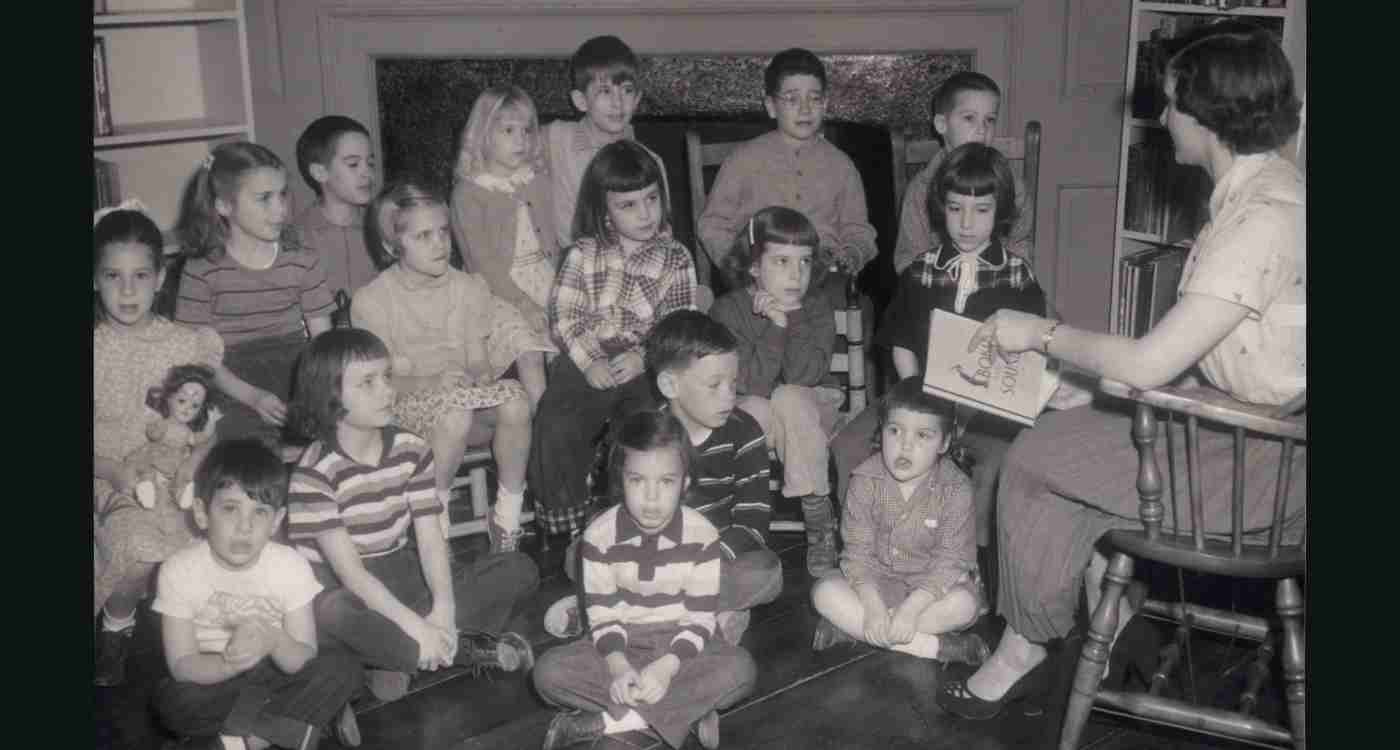
We are currently existing in a society where the fundamental ideas that shape libraries are being threatened. Budgets are being slashed, services are being cut and the inclusive ideas and stories found in books are under attack. Libraries are more than just shelves of books; we strive to be “a vital cornerstone of community connection, where curiosity and wonder flourish.” The library’s culture consists of education, innovation and stewardship through programming, services, resources and community collaborations for Princetonians of all ages and backgrounds –a precedent set over 100 years ago.
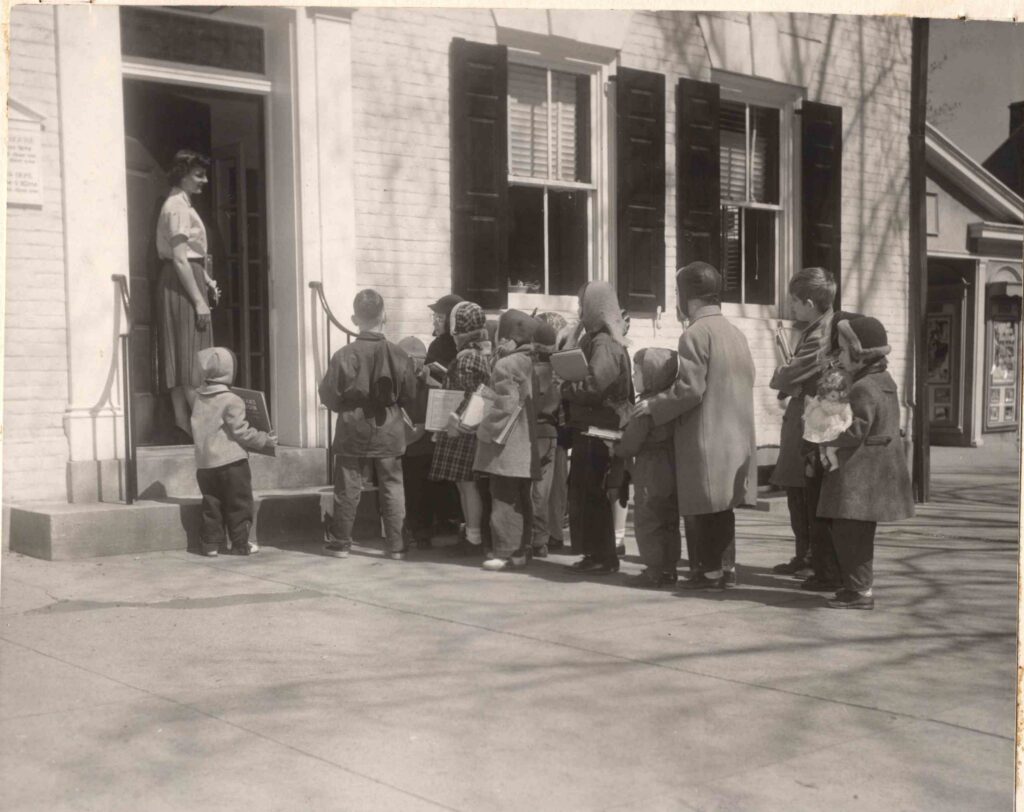
At the turn of the 20th century, the demand for books in Princeton was growing. Despite Princeton University giving Borough residents open access to the University Library, the demand for a different kind of reading material intensified. In 1909, the two subscription libraries in town combined their collections and the Free Library of Princeton was born. The mayor-appointed Board of Trustees signed the papers of incorporation for the Free Public Library of Princeton on December 30, 1909, and by February of the following year, PPL’s first librarian was hired.
When researching the history of the public library, two things become clear. First, the town of Princeton has always been extremely supportive of the library, and second, that the library staff set a standard for service that we follow today. Agnes Miller was PPL’s first librarian. During a time when library hours were limited (the Central Library was open 3-5:30 p.m. and the Branch Library was open 10 a.m.-1 p.m. on weekdays), Miller reported that, in the first nine months of the library’s existence, 605 cardholders checked out 7,046 books. In 1912, Miller established a school reference library and visited every grade to introduce the collection to students. By mid-1915, it is reported that 7,347 students used the high school reference library.
In addition to services and outreach to local schools, Miller formed the Bainbridge Book Club and expanded the physical library space to make more room for books and readers. During World War I, PPL focused on providing information to the public, organizing fund drives and collecting books for soldiers. “In 1917, the Library sent five boxes of books to U.S. training camps and two boxes to France, with miniature American Flags included as bookmarks.” The library building was forced to close during the influenza epidemic of 1918, but Miller’s work continued by distributing pamphlets and information, establishing a library at the military hospital in Lakewood, New Jersey, and even by taking a leave of absence to become the hospital librarian at Camp Dix. Back at PPL, storytelling hours were established, evening game clubs were developed and a separate children’s room in the library was created. Other activities included an essay contest, a camera club and even “a wild-flower guessing game contest sponsored by the Princeton Garden Club.”
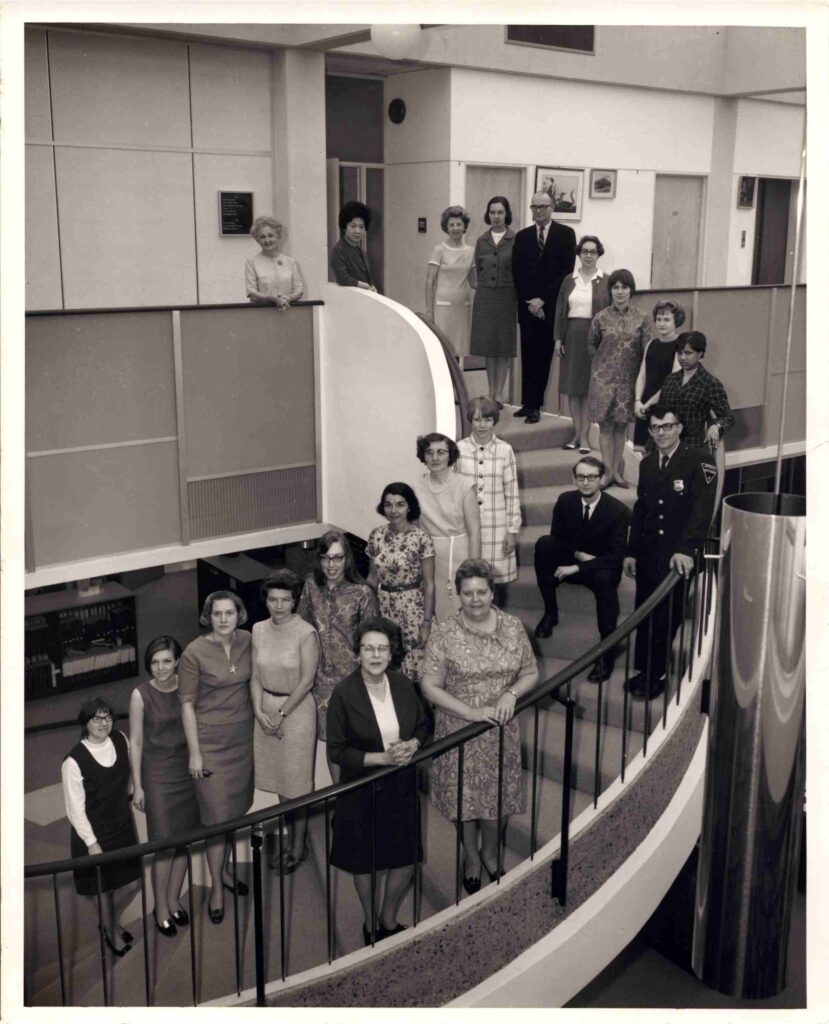
Despite leaving Princeton Public Library due to illness in 1933, Miller’s legacy remained. Library services continued to expand, as did the collections and materials. War once again broke out overseas, so the library “delivered 448 discarded books to nearby Fort Dix” and, in coordination with the National Defense Council, became an information hub for Princeton residents. By the end of the war, PPL had even become a multimedia library, thanks to a private grant that enabled the purchase of a record collection and player.
The landscape of Princeton has changed dramatically since the days of Agnes Miller and PPL’s early librarians. The library has mirrored these changes by continuing to grow and adapt to meet the needs of our community. In 1966, the library moved from Bainbridge House to a new building at 65 Witherspoon St. While this building was much larger, the library quickly outgrew it, and in 2004, the library building you visit today opened on the same site. While technology services continued to improve, an eLibrary was established, and services expanded, many constants remain such as vast collections of materials, storytelling hours for children, book groups, and various other “clubs” and programs. During Superstorm Sandy, the library became safe space for residents and, despite the building closure in 2020 during the covid-19 pandemic, the library jumped into action to offer remote programs and reference services, just as Agnes Miller did over 100 years earlier.
The library’s mission to “connect everyone in our dynamic and growing community by advancing knowledge, encouraging dialogue and providing opportunities for discovery and joy” began with Agnes Miller and is continued today by my peers and me. So come visit us at the library. Email or send us a chat with a research inquiry. Give us a call when you need some quick information. Just as Agnes Miller was, we’re here to help.
Source:
“Money, Space, and A Pile of Books: A History of the Princeton Public Library” by Meghan Leigh Glass