
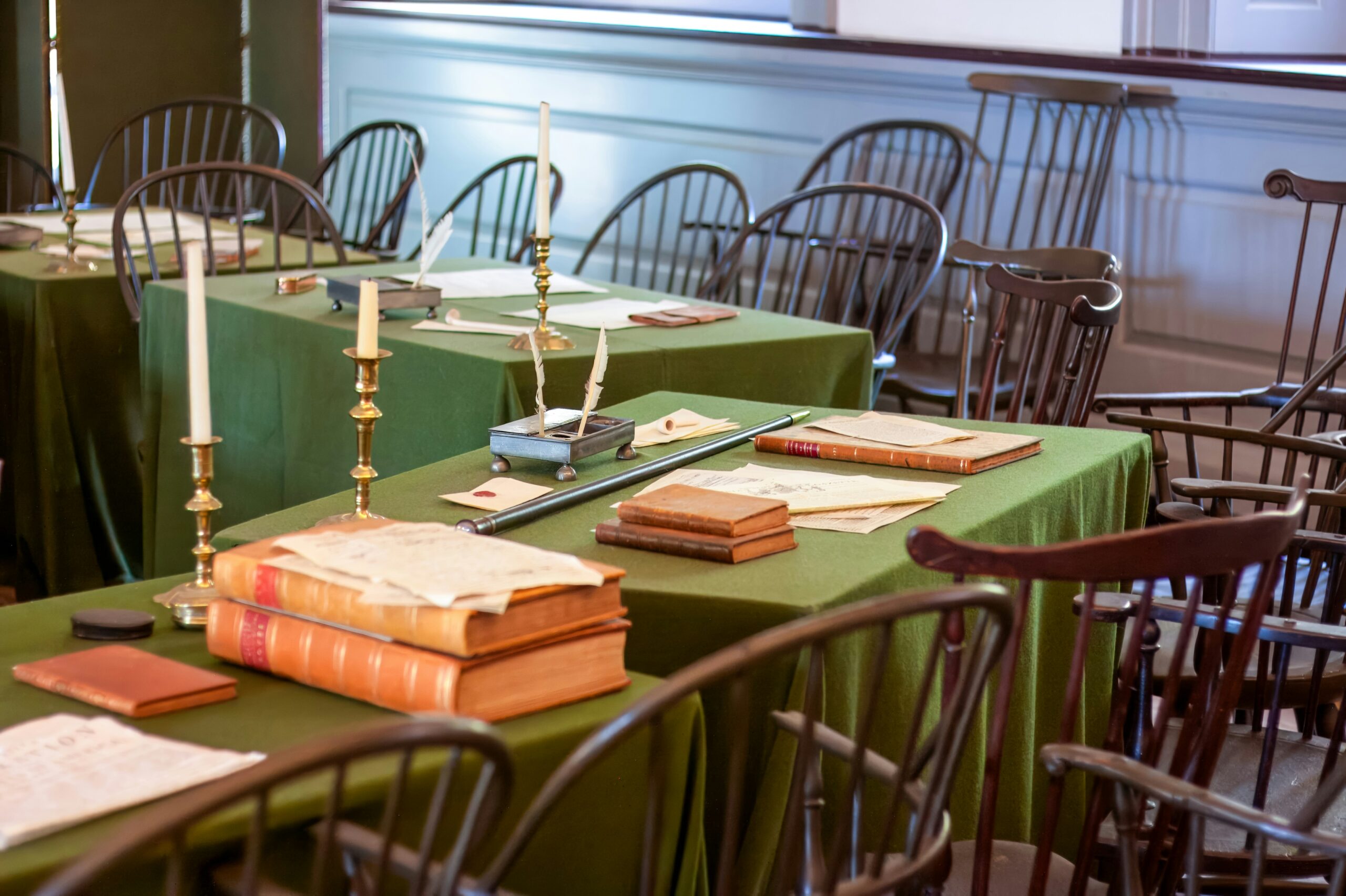
For those of us who are old enough to have read George Orwell’s dystopian novel, “1984,” it is not a stretch to compare what is happening today with the landscape of Orwell’s imagination. As we prepare to celebrate the 250th anniversary of the formation of our democracy, we might ask ourselves, what truths remain self-evident? The allusion to this query stems from the Declaration of Independence. This foundational document served as a vehicle that proclaimed colonists were no longer under the rule of the British crown, establishing that they were Americans, residents of a new self-governing nation.
A large component of what has held our democracy together for 250 years has been our collective buy-in to the ideals of a fair, just, and (somewhat) civil society in which “all Men (sic) are created equal.” While the nation has continued its struggle to grow into that grand idea over the course of centuries, it has typically appeared to progress on a forward trajectory. We, the people, have put forth the effort to extend such equality by working within the constraints of judicial and governmental structures that we have created. Yet, we now find ourselves in a perilous situation in which the rules of law and governance are being questioned.
At this critical juncture, how do we work together to champion the original intention and goals of our nation? Core to the mission of public libraries is the focus on serving and welcoming all members of the community. This is integral to our organizations. Standing up for the original goals of this imperfect nation, a nation of the people, for the people, and by the people, is a value that the institutions of libraries hold dear.
It’s not too late in the game to learn from our past to safeguard the future. If you have not read “On Tyranny” by Timothy Snyder, it’s an eye-opening place to begin. Declaration 1776: The Big Bang of Modern Democracy, an exhibit in our lobby, on loan from the Gilder Lehrman Institute of American History until the end of January, “uses primary sources to illustrate how Americans and people across the world have been inspired by the Declaration in their pursuit of equality and self-determination.” Consider checking out an annotated version of the Declaration of Independence, also from Gilder Lehrman. The path forward is not clear, but it is the only path on which we can travel.
Photo by Ryan Wallace on Unsplash